
Wine, etc.: Everything changed for Bordeaux with 1982 vintage | COMMENTARY
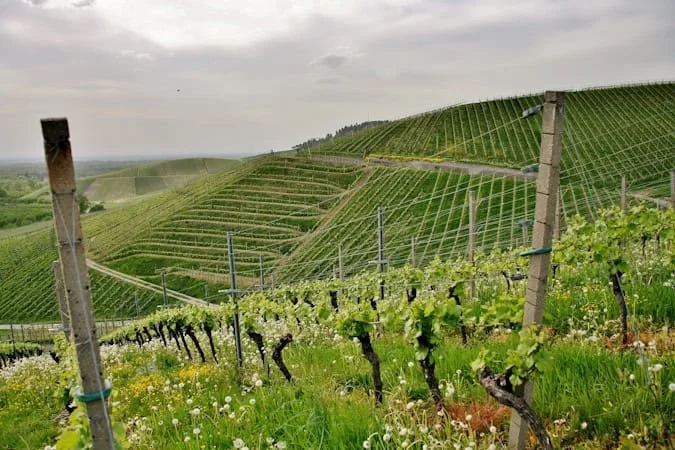
In the mid-20th century, stellar Bordeaux vintages made headlines simply because they were scarce and Bordeaux reigned supreme in the world of fine wine. American enthusiasts immediately recognized Château Lafite Rothschild as one of the most revered and most sought-after reds. When 61 chateaux were ranked in 1855, the region’s reputation was locked in.
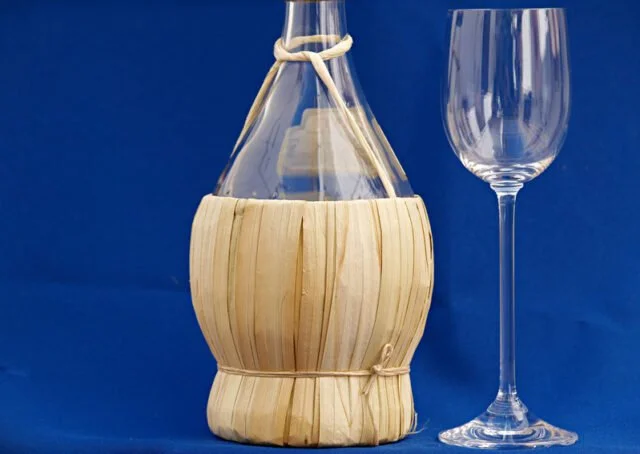
Before the 1980s, California had neither the acclaim nor the market share it enjoys today, and no other wine region matched the quality or volume of exports we see now. Germany’s main offering to the U.S. was inexpensive riesling under awkward names like Liebfraumilch or Zeller Schwarze Katz. Italian bottles arrived in wicker baskets, dominated by a thin red called Chianti. In fact, a wine list from an early 1970s Detroit restaurant — now long closed — showed nine of 10 selections were red Bordeaux.
Everything changed with the 1982 vintage. Bordeaux producers began crafting richer, more fruit-forward reds that matured earlier and won over a younger generation of drinkers, the baby boomers who are well into their 70s today. That year also launched Robert M. Parker Jr.’s career — his glowing review proved accurate and effectively sidelined many established British and American critics who had doubted Bordeaux’s quality.
Prior to 1980, plentiful, high-rated reds were a rarity. In the 1960s, after the exceptional 1961 vintage, only 1964 and 1966 merited cellaring; the 1970s yielded just four vintages deemed worthy of aging. Contrast that with 2013 to 2022, when eight of ten Bordeaux vintages scored 90 points or higher in Wine Spectator — a reflection of warmer, more consistent weather, advanced technology and refined vineyard management. In the ’70s, grapes often failed to ripen fully, and growers lacked the know-how to correct course.
While top-tier Grand Cru Bordeaux can be pricey, many mid-level Grand Crus remain surprisingly reasonable, especially compared with California’s premium reds. A recent browse at a major Washington, D.C., wine shop turned up 2018–2022 Grand Crus priced in the $50–$70 range—on par with Napa Valley’s mid-range offerings. These wines may not be everyday quaffs, but they shine on special occasions or as gifts. Seek out consistently well-priced favorites like Léoville Barton, Langoa Barton, Château d’Issan, and Lynch-Moussas.
You’ll also find a wide selection of lesser-known châteaux in well-stocked shops — many Bordeaux and Bordeaux Supérieur bottles go for under $20. Happy hunting!
Vermentino
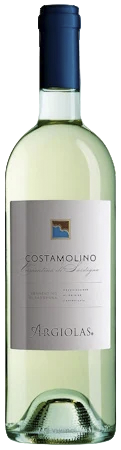
Costamolino Argiolas Vermentino di Sardegna 2024 (Vivino)
White wine enthusiasts are increasingly embracing vermentino, a grape whose precise heritage remains mysterious despite its predominantly Italian cultivation. While many wine lovers recognize Sardegna di Vermentino from Sardinia, Tuscan varieties are now appearing more frequently on shelves.
In our experience, vermentino shines alongside seafood dishes. If you’ve grown weary of chardonnay’s often overwhelming oak influence, this varietal offers a refreshing alternative. Some liken it to sauvignon blanc for its citrus and herbal characteristics, though we particularly value its crisp, lively fruit profile and reasonable price point. We’ve sampled two bottles worth noting:
Costamolino Argiolas Vermentino di Sardegna 2024 ($15-17). It delivers both smoothness and vibrancy, opening with citrus aromas and subtle herbs. The mouthfeel is rounded, revealing peach and pear flavors that finish with invigorating freshness.
Olianas Vermentino di Sardegna DOC 2023 ($20-23). This organic offering showcases dominant peach and pear notes complemented by delicate floral hints reminiscent of freshly cut blossoms. It concludes with a pleasing creamy finish.
Alentejo
When casual wine enthusiasts think of Portugal, the Douro region typically comes to mind first. For centuries, its rich, sweet port wines — perfect companions to chocolate and desserts — have satisfied British palates and wine connoisseurs worldwide. Yet as our previous columns have mentioned, dry table wines from Douro are gaining significant traction among discerning buyers.
Alentejo, a considerably larger Portuguese wine region, is also making international inroads with its dry table wines. Stretching across nearly a third of Portugal’s territory east and south of Lisbon, Alentejo presents a striking contrast to Douro’s steep hillside vineyards. Here, gentle rolling hills extend from the Atlantic coastline to the Spanish border. While Alentejo growers cultivate traditional Portuguese grape varieties like their Douro counterparts, regional authorities also permit French varieties.
Our recent tasting of Alentejo wines included several older vintages to evaluate their aging characteristics. We were particularly impressed that certain producers age their wines for nearly a decade before release, ensuring optimal enjoyment for consumers.
Following are our tasting notes:
Herdade De Coelheiros Alentejo DOC 2022 (under $20). A 50/50 blend of touriga nacional and touriga franca. A very pleasant cherry fruit driven quaffable red wine. A terrific bargain!
Herdade do Mouchao Alentejo DOC 2016 ($65-70). Made up of mostly of alicante bouschet foot tred in largares. This winery typically holds this wine for at least six years before release. Appropriate aged notes with plum and cherry nuances. Very elegant and impressive.
Dona Maria Grande Reserva Alentejo DOC ($50-60). A truly international blend of alicante bouschet, touriga nacional, petite verdot and syrah. Foot tread in lagares and aged for one year in new French oak. This old vine red wine offers a deep core of dark red fruit with notes of tart cherries plum and a whiff of eucalyptus. Delightful and fresh.
Wine picks
Scaia Rosso Veneto IGT 2022 ($15). Here’s a great deal for you. Simple, light-bodied and fruit-forward, it is gem for this price. Made from corvina grapes, it is perfect for burgers, pizzas and other light fare.
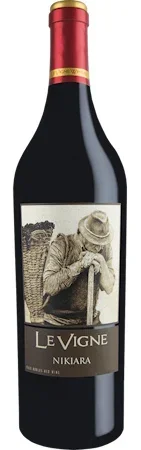
Le Vigne Winery Estate Nikiara 2021 (Le Vigne)
Le Vigne Winery Estate Nikiara 2021 ($54). OMG, this is a terrific wine. Named for the owner’s children, this property’s flagship wine is full of energy. Made from several vineyard blocks and varietals, it offers fresh cherry and plum fruit with a hint of chocolate and leather. Fine-grained tannins make it a powerful wine to marry with beef. The blend is 55% cabernet sauvignon, 23% petit verdot, 17% cabernet franc and 5% merlot.
Textbook Cabernet Sauvignon Paso Robles 2023 ($27). This is a great value for those of you who want a cabernet sauvignon with body but not willing to pay $70 or more for it. Good concentration, dark fruit character with hints of spice and slate.
Centennial Mountain Sonoma County Carricante 2022 ($49). We’ve tasted this special wine over several vintages and found it to be a consistently nice, refreshing surprise. The winery, founded by Rhys vintner Kevin Harvey, is focused on Italian grape varieties after his team worked with Italian viticulturists and winemakers. This white wine has pear and herbal aromas with citrus and white peach flavors. It’s delicious.
Hamel Stratum Estate Red Wine Sonoma County 2021 ($60). This is a wonderful blend of cabernet sauvignon (53%), merlot, cabernet franc and a dab of zinfandel. Lush and forward in character, it has generous dark fruit and herbal aromas with ripe plum flavors.
Tom Marquardt and Patrick Darr have been writing a weekly, syndicated wine column since 1985. See their blog at moreaboutwine.com. They can be reached at marq1948@gmail.com.