
Here Are 7 MAHA-Approved Wines To Serve This Thanksgiving
I’m A Sommelier: Here Are 7 MAHA-Approved Wines To Serve This Thanksgiving
By Jaime Mazur – November 5, 2025
Inside a Day in the Life of a Media Sommelier
It’s 10 a.m. on a Tuesday, and I’m already deep into a tasting session with eight glasses of wine before me. With another eight to go, I’m aware that sixteen pours are simply too many for a single table. This isn’t a scene from a competition; instead, it’s a typical morning at one of Chicago’s premier restaurants—an establishment so sought after that reservations and prepayment are required for dinner. But at this hour, the dining room is filled with 25 sharply dressed wine professionals—servers, distributor reps, retailers—each engaged in the familiar routine of examining, sniffing, swirling, sipping, and spitting wine, glass after glass. This ritual, all in the pursuit of education, is an integral part of life as a sommelier.
In my early years, I rarely spit out my pours, and it showed. My tasting notes would begin thorough and precise, but as the event wore on, they’d devolve into brief, nearly indecipherable scribbles. Over time, and with the guidance of a close-knit group of female mentors, I learned to spit rather than swallow, making the process sustainable. In fact, wine professionals are often compared to baseball players for their impressive spitting skills.
I’m not a floor sommelier; it’s been two decades since I last worked in a restaurant. Today, my role as a media sommelier involves receiving wine samples and attending tastings, luncheons, webinars, and events to write about wine, its origins, and the people behind it. Unless it’s a seated meal, I refrain from drinking the wine, opting instead to taste and spit for objective assessments to inform my writing.
The Busy Season and the Joys of Wine Education
This quarter has marked the start of the busy season. In the past month alone, I’ve attended a lunch and masterclass on Portuguese wines, participated in a two-day conference on Italian wines, visited a walk-around tasting for Burgundy wines, and celebrated National Champagne Day with industry peers. I’ve also started planning 2026 programming for my local American Wine Society chapter, pitched over ten time-sensitive story ideas to media outlets, and begun organizing my schedule for upcoming wine travels. Free time is scarce, but the reward is a continuing education in agriculture, geography, soils, climate, and culture—all while enjoying top-tier food and drink. And best of all, no dishwashing is required, which is a dream come true for a parent of two picky toddlers.
Balancing Passion and Practicality
Depending on my story assignments, I sometimes travel for wine research. However, since I maintain a job in healthcare for steady income, I have to choose my destinations wisely. My work has taken me to Idaho, Montana, Quebec, Michigan, and my home state of Illinois, exploring wineries and wine regions. In recent years, sharing stories about wine through social media has become increasingly impactful, and it’s easy to see why—wine regions and vineyards are endlessly captivating.
MAHA Lifestyle Meets Mindful Wine Choices
What might surprise some is that I’m also a self-described “crunchy mom.” I source 95% of my family’s food from a year-round farmer who knows me personally, rely on homeopathics first for health, and avoid plastics in the kitchen. This conscious approach to well-being extends to my wine choices. Just as I prioritize sustainability and thoughtful sourcing at the grocery store, I apply the same principles to the wines I enjoy.
Having an occasional glass of wine fits the MAHA ethos more than many expect. Industry analyst Rob McMillen notes in his “State of the Wine Industry” report that wine offers what younger consumers desire: green, plant-based, natural, minimal additives, no added sugars, and often organic. Many wineries remain family-run, with generations of farmers cultivating the land with sustainability as a priority, rather than maximizing production. While some producers do use additives like Mega Purple for flavor and color, most value the integrity of their fruit.
Wine, Moderation, and the MAHA Spectrum
Where does wine fit for MAHA loyalists? Even though MAHA-in-Chief RFK Jr. is a teetotaler, moderation and responsible consumption are more practical for most. Living the MAHA lifestyle is a spectrum—one day you may be eliminating caffeine, sugar, eggs, gluten, dairy, and nightshades; three months later, you might be sharing French fries cooked in seed oil at lunch.
So, how does a modern MAHA woman stay true to her values—avoiding pesticides and supporting sustainability—when serving wine for the holidays? It’s less about reinventing traditions, and more about adapting classic holiday food and wine pairings to reflect MAHA principles.
What Makes a Wine MAHA-Approved?
MAHA-approved wines come from producers who are certified sustainable and/or organic, or who embrace these practices even if not officially certified. These wineries are stewards of the land, prioritizing the health and longevity of their vines and soils over sheer volume. Many are family-owned, multi-generational operations that focus on quality rather than quantity.
7 MAHA-Approved Wines for Thanksgiving and Beyond
1. A Welcome Drink for All: De-Alcoholized Sparkling Wine
Welcome your guests with a festive, chilled sparkling wine served in a coupe glass. Instead of splurging on Champagne, consider a 0% ABV bubbly made from the same grapes. These options are lower in calories and suitable for pregnant guests and non-drinkers. They’re the perfect way to get the festivities started without alcohol on an empty stomach.
· Wölffer Estate Spring in a Bottle NA ($19.97)
· Domaine Edem N.0 Rosæ ($25.99)
· Oddbird Blanc de Blancs NA ($24.99)
2. For the Turkey and Sides: Riesling
Rieslings range from bone dry to very sweet. With sweet sides like cranberry sauce and sweet potato casserole, wines can taste more acidic. An off-dry Riesling made from later-harvest grapes complements turkey and sides without overwhelming sweetness. For German wines, look for “Kabinett” for sweetened sides, or “Trocken” for sugar-free meals.
· Dönnhoff Riesling Kabinett ($29.97)
· Hermann J. Wiemer Semi-Dry Riesling ($22.97)
· Fritz Haag Riesling Kabinett ($29.94)
3. For Surf and Turf: Oaked Chardonnay
Classic wisdom pairs red wine with red meat and white wine with white meat, but for meals featuring both, a full-bodied Chardonnay works beautifully. It provides structure for steak and highlights the buttery notes of lobster. Chardonnay’s reputation is reflected in the price, but it’s worth it for the right pairing.
· Le Vigne Estate Chardonnay ($38.00)
· Domaine Auvigue Pouilly-Fuissé Les Villages ($48.99)
· Otronia Chardonnay ($49.49)
4. For Seafood and Fish: Crémant d’Alsace
If your holiday menu includes shellfish, Champagne-method sparkling wines like Crémant d’Alsace are a perfect match. These wines are made with a second fermentation in the bottle, like Champagne, but are more affordable. Their bubbles and acidity cut through rich sauces and pair well with mussels, smoked salmon, and more.
· Dirler-Cade Brut Nature ($32.99)
· Domaine Sparr Brut Nature ($32.99)
· Camille Braun Crémant d’Alsace Brut ($29.97)
5. For Chinese or Thai Cuisine: Moscato d’Asti
This lightly sparkling Italian wine is a crowd-pleaser with Asian dishes. Its higher residual sugar balances spicy flavors and complements sweet sauces. Moscato d’Asti is sweet but lower in alcohol, making it gentle on the liver and a great dessert companion.
· Cadgal Moscato d’Asti Lumine ($17.99)
· Elio Perrone Sourgal Moscato d’Asti ($23.97)
· Marenco Scrapona Moscato d’Asti ($25.97)
6. For Italian Classics: Sangiovese
The adage “what grows together, goes together” rings true—Sangiovese, Italy’s most planted grape, pairs seamlessly with tomato-based dishes like lasagna and braciole. Its high acidity matches hearty ragù, and it tastes especially smooth with traditional Italian fare. In Europe, wines are named for their region, so look for Chianti Classico, Brunello di Montalcino, and Vino Nobile di Montepulciano.
· Bibbiano Chianti Classico ($37.99)
· San Polo Rubio ($21.99)
· ColleMassari Montecucco Rosso Riserva ($26.97)
7. For Lamb: Pinot Noir
Pinot Noir’s American popularity soared in the mid-2000s, and it’s a great match for lamb, which is rich and fatty. Lamb benefits from a high-acid, low-tannin wine like Pinot Noir, which avoids the drying sensation of more tannic reds. New World Pinot Noirs, from North and South America, are typically fruit-forward and more affordable than French versions.
· Laberinto Cenizas ($21.99)
· Harper Voit Strandline ($50)
· Red Car ($48)
A Toast to Wellness and Celebration
For health-conscious moms and career women alike, the holiday season is a time to savor food, drink, and joy. Embracing the MAHA lifestyle doesn’t mean forgoing celebratory drinks; instead, it’s about making intentional choices—much like the small, mindful adjustments found in traditional Japanese Washoku. Sometimes, a thoughtful pour is just as satisfying as a full glass. Here’s to a holiday season where wellness and delight coexist. Cheers!
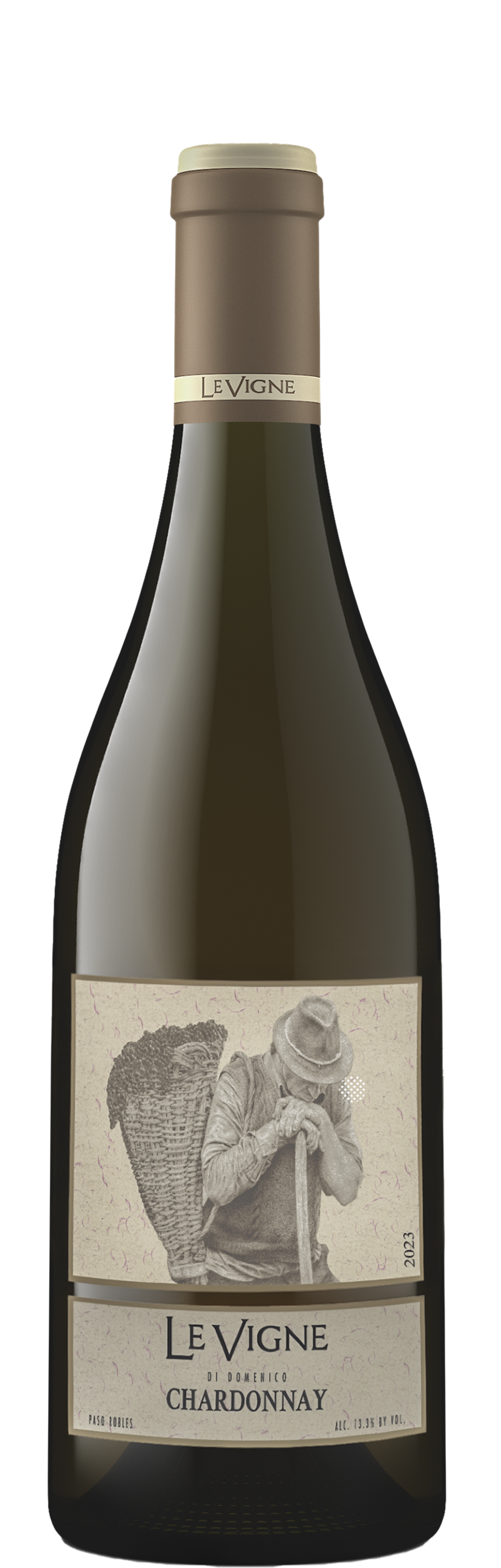
Le Vigne 2023 Estate Chardonnay