
The Difference Between Le Vigne Estate and Paso Robles Wines

Paso Rosé of Sangiovese next to the Estate Rosa Bianca di Sangiovese
One of the most frequently asked questions in our tasting room is, “What’s the difference between the Le Vigne Estate Wines and the Le Vigne Paso Robles wines?” Another common variation is, “Why do you make two lines of wines?” While the short answer is that the Paso Robles tier represents our second wine, the full explanation reveals much more about our winemaking philosophy and process.
The Tradition of Second Wines
The practice of producing a second wine dates back to the 1700s, beginning with the 1st Growth wineries of Bordeaux. Traditionally, these wineries produced only one blended wine. By introducing a second wine, they were able to maintain the consistency and age-worthiness of their flagship, or Estate Wine, while also offering a more accessible wine that could be enjoyed sooner and required less aging. This approach has since become widespread, with many modern wineries producing multiple wines, including varietally labeled options and, in some cases, third and fourth tiers.
Some second wines have gained significant recognition and collectability. For example, the 1st Growth Mouton Rothschild retails for approximately $750, whereas its second wine, Le Petit Mouton de Mouton Rothschild 2022, is priced at around $250-$300. Despite its lower price, it remains an excellent wine, characterized by softer tannins and a fruit-driven profile, making it more approachable in its youth. Similarly, Cheval Blanc’s 2021 Estate wine costs about $500, while its second label, Le Petit Cheval, offers comparable flavors at roughly half the price and has appeared in popular culture, such as in the film Sideways.
Le Vigne’s Approach: Estate vs. Paso Robles Wines
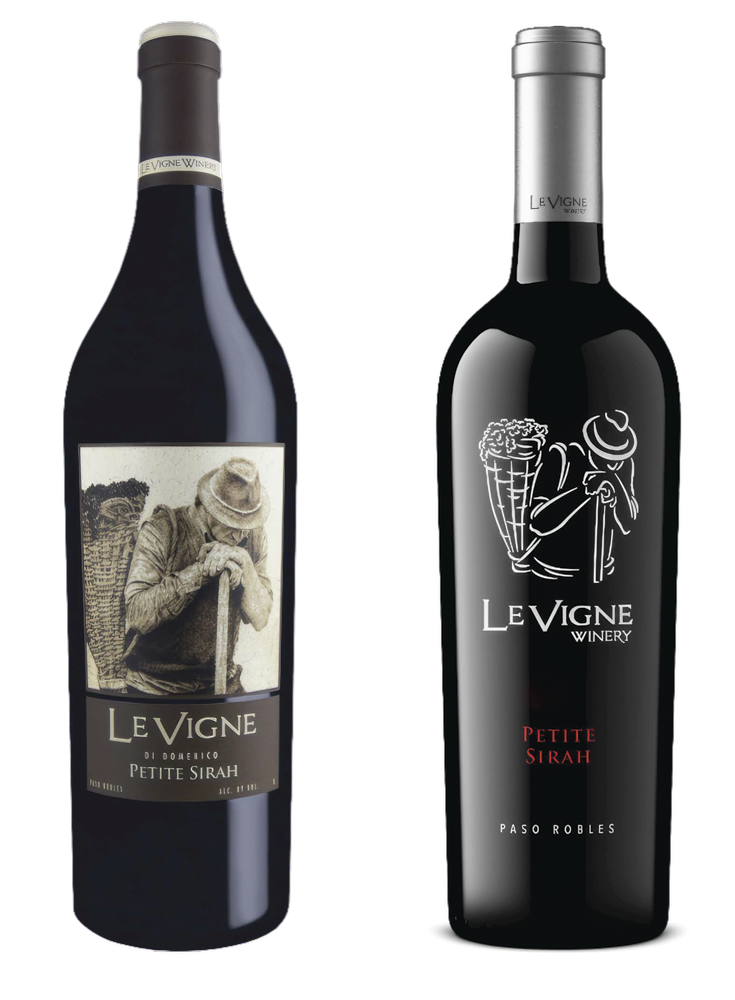
Following this tradition, Le Vigne produces a limited quantity of its Estate Wines and a larger volume of Paso Robles series wines. Upon arrival at the winery, grapes from each vineyard are separated into lots. Reds are typically aged in barrels, or sometimes in stainless steel to preserve fruitier notes, depending on the winemaker’s vision. After months or even years, the winemaking team conducts “bench trials,” sampling and blending various lots to identify the blend that best expresses our unique terroir.
Once the optimal blend for the Estate Wine is determined, those lots are combined and frequently given additional aging in oak barrels. This extra time allows the flavors to meld and encourages subtle changes in the wine, facilitated by small amounts of oxygen and tannin exchanges from the barrel. After the Estate blend is finalized, a similar process is used to create the Paso Robles blend, with the objective of producing complex, fruit-forward wines that deliver high quality at an attractive price point. These Paso Robles wines are generally bottled earlier than the Estate Wines, which benefit from extended aging. Any remaining wine is allocated to other Le Vigne bottlings under different labels.
Chardonnay: An Exception to the Rule
The Estate and Paso Robles tiers of Chardonnay are treated differently. The Paso Robles Chardonnay is whole cluster pressed and fermented in stainless steel tanks to achieve a fresh, fruity flavor profile. In contrast, the Estate Chardonnay is barrel fermented, resulting in a more complex wine with oaked and toasted notes.
Vineyard Sources and Labeling
Although our Paso Robles tier wines are labeled as originating from Paso Robles, they are crafted from the same estate fruit as our flagship wines. In the current vintage, the Paso Robles Cabernet Sauvignon and Merlot are produced exclusively from estate grapes. The Paso Robles Chardonnay and Petite Sirah utilize grapes from our Dominico Vineyard, while the Paso Robles Sangiovese is made from grapes grown in the Acquarello vineyard. These wines could be designated as single-vineyard bottlings, but we label them as Paso Robles AVA wines to offer high quality at a compelling price.